

Webflow websites for food and beverage, built for brand and commerce.
Dot The i Studio is a Webflow Certified Partner based in Melbourne and Dunedin. We design and build bespoke websites and Webflow–Shopify integrations for food and beverage brands across Australia, New Zealand, and globally - then stay involved so the site keeps pace with the business.
An F&B website has a real job to do
Most food and beverage websites are asked to do too many things at once, and end up doing none of them properly. They're a brochure, a product catalogue, a campaign landing page, a distributor resource, a recipe hub, and an ordering experience - all jammed into a template that wasn't built for any of it.
The brands we work with have usually reached the point where that pattern stops scaling. A new SKU launches and the site can't accommodate it cleanly. A wholesale audience needs different messaging from consumers, and the site can't segment them. A seasonal campaign needs its own landing page, but building one is a two-week job instead of a two-day one. A retail partner asks for brand assets, and there's no good place to send them.
We build F&B websites that are structured properly from the start - so the brand can grow, campaigns can move fast, and the site doesn't become the bottleneck.
We also work with health and wellness clinics across Australia and New Zealand.
Why Webflow for food and beverage - and when Shopify joins the picture
Webflow is our primary platform, and it's a particularly good fit for F&B brands. For businesses selling direct to consumer, we add Shopify to the picture - handled properly, not duct-taped on.
Modular architecture for campaigns and launches
New flavour, seasonal activation, sampling campaign, supermarket launch — each needs its own page quickly, without touching the main site. Webflow's CMS and component systems let us build a modular framework where new campaigns go live in days, not weeks.
A CMS built for product education, not just commerce
F&B brands sit on a lot of content - ingredients, provenance, recipes, how-to-use, distributor information, technical specs. Webflow lets us model that content properly so it's discoverable, interlinked, and easy to keep current. Commerce isn't the only job a brand website does.
Webflow + Shopify, done properly
When a brand sells direct to consumer, Shopify handles the store, inventory, and checkout. Webflow handles the brand experience, storytelling, and content. The integration is architected so the two platforms feel like one site - clean data flow, no plugin bloat, no duct tape.
Built for multi-audience, multi-market
Distributors, cafés, supermarkets, and consumers don't want the same messaging. International markets need localised content. Webflow handles all of this structurally, without forcing you into one-size-fits-all compromises.
For a fuller case, see Why Webflow and Webflow vs WordPress.
What we typically build
Every brand is different, but the patterns repeat. These are the pieces we're most often designing and building for clients in this space.
Brand and product architecture
A structure that handles product ranges, SKUs, and flavour extensions cleanly - with room to expand as the range grows, not a rebuild every time a new format launches.
Webflow + Shopify integration
Brand experience on Webflow, commerce on Shopify, architected as one cohesive site. Handled at the structural level so the two platforms complement each other rather than fighting for attention.
Campaign and activation infrastructure
Modular landing page systems so campaigns - product launches, sampling, competitions, supermarket activations - can roll out in days without compromising the main site.
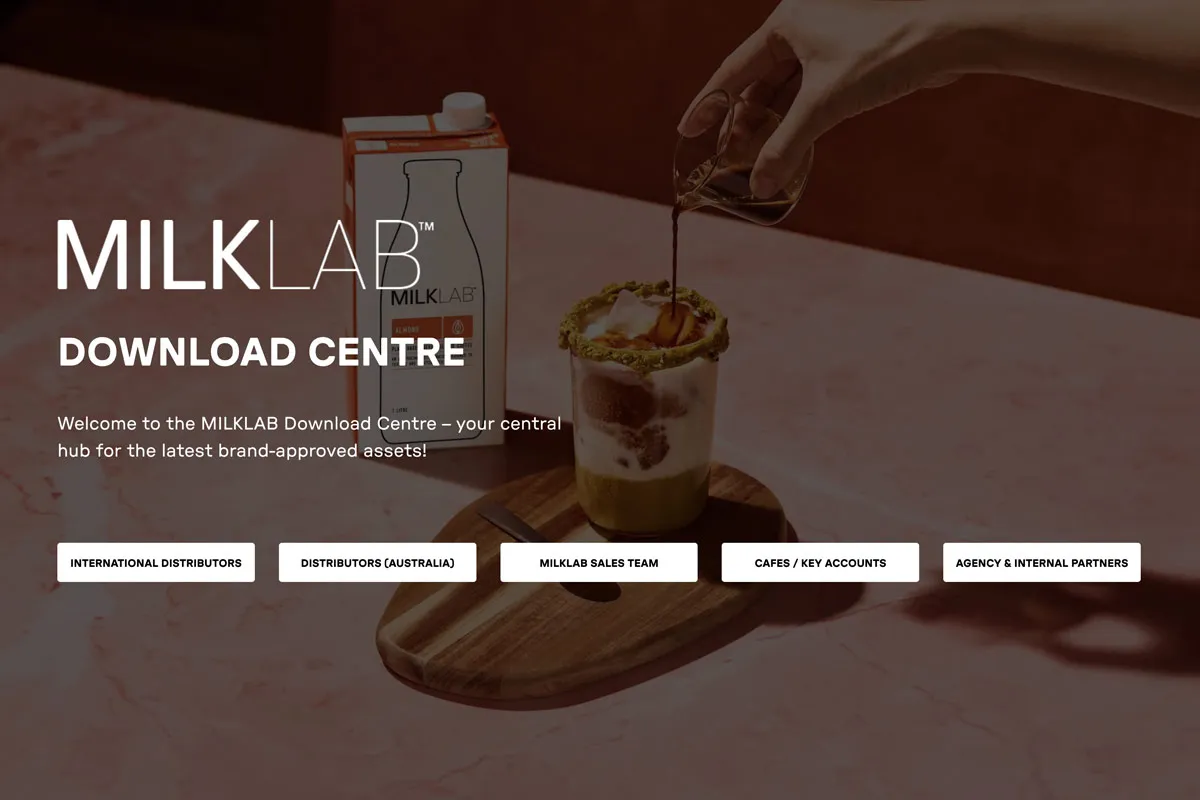
Asset and download centres
Distributor, retailer, and internal team resource hubs, with tiered access where needed. Centralises brand asset management and reduces the "can you send me the logo pack again" emails.
Ordering and delivery UX
For food service businesses, clean mobile-first ordering flows that reflect how customers actually buy - not how internal teams assume they do. Form logic, delivery preferences, dynamic pricing, and the groundwork for future automation.
Multi-market and localisation
For brands selling across countries, Webflow's native localisation lets us build one site that adapts by market - rather than a fragmented collection of regional microsites.
Selected food and beverage work
MILKLAB
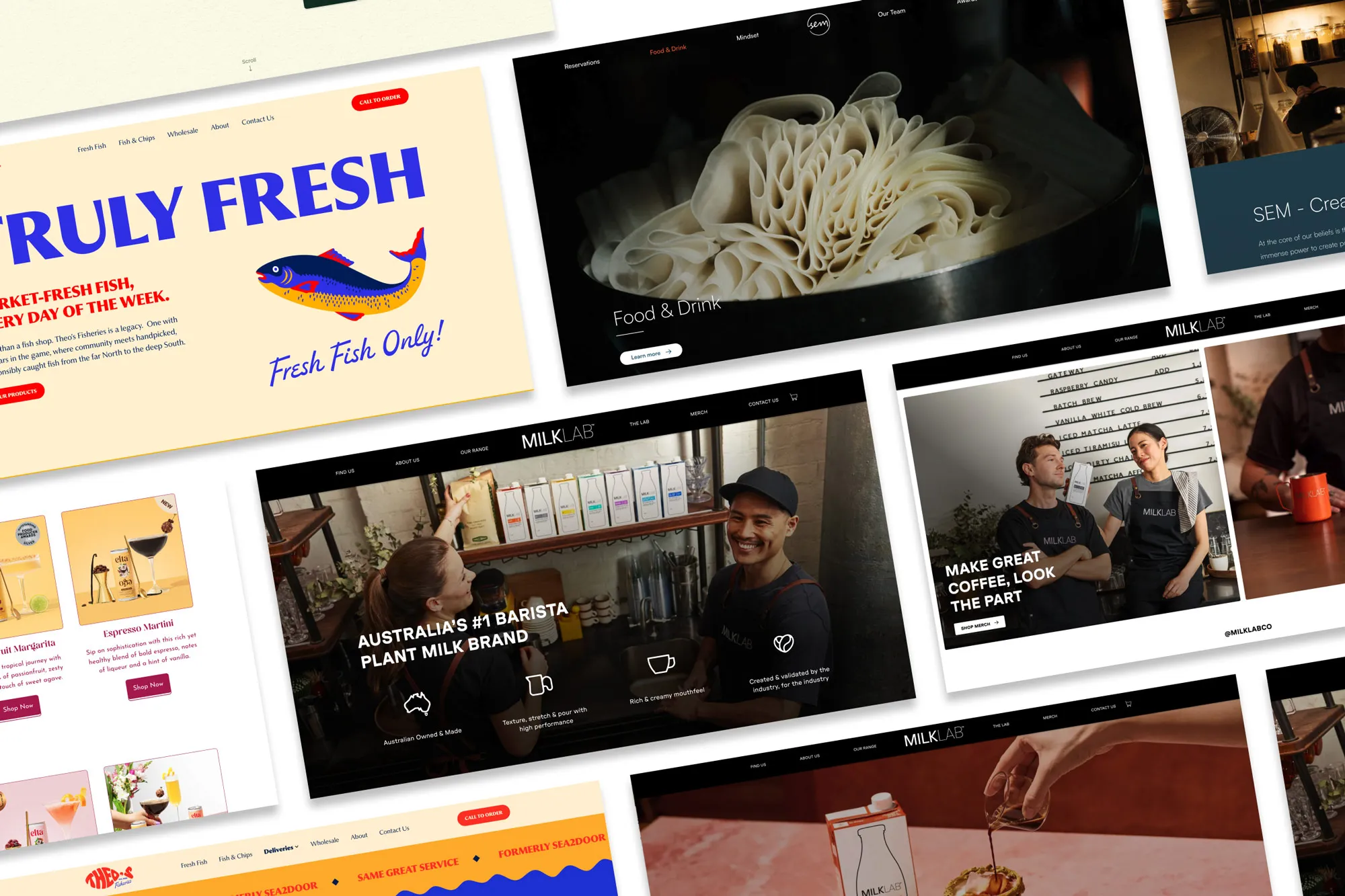
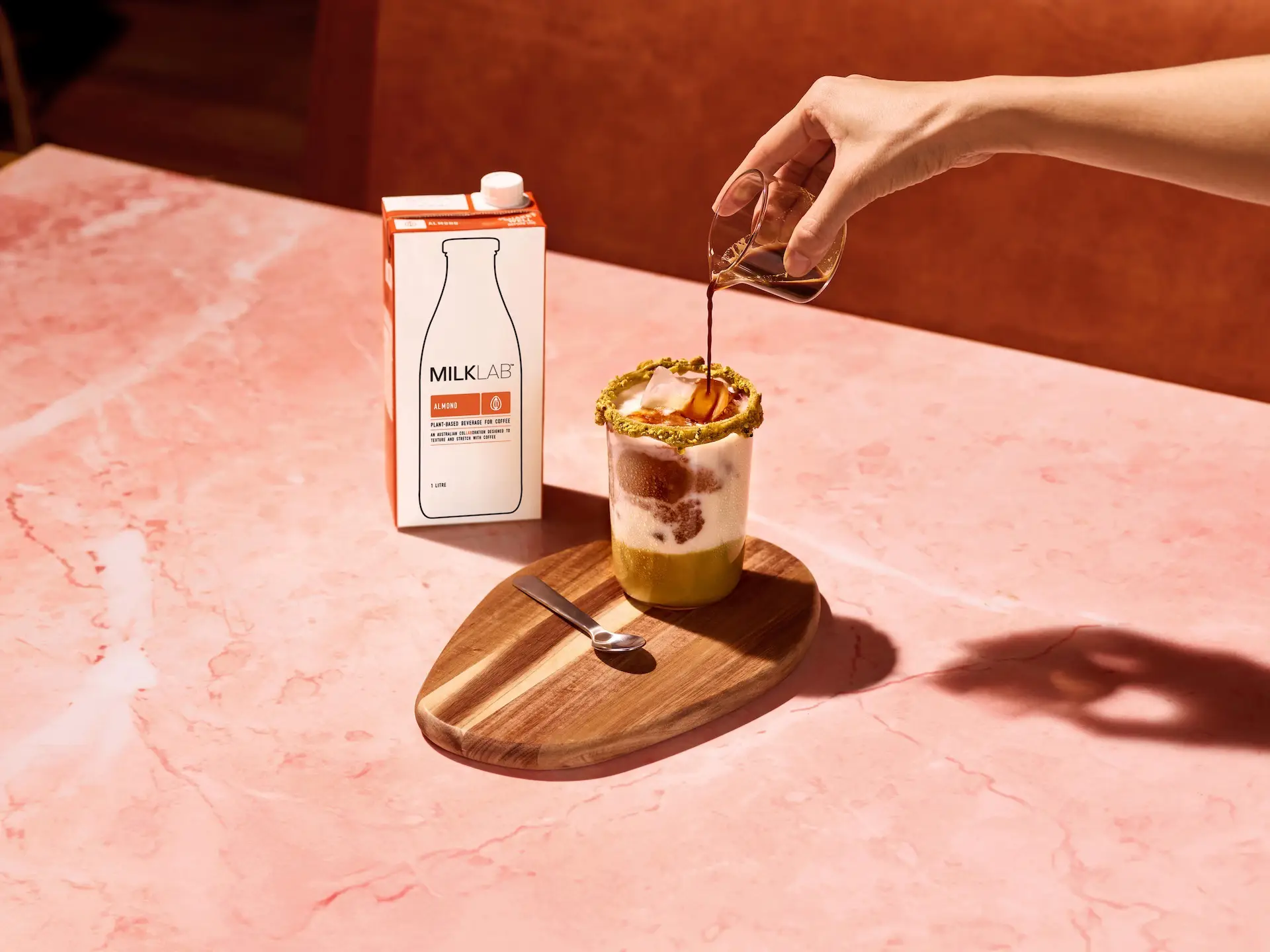
Enterprise Webflow platform supporting global growth for a plant-based beverage brand serving hospitality, retail, and supermarkets. A digital ecosystem spanning Webflow and Shopify, with modular campaigns, an internal download centre, bilingual Korean expansion, and four years of continuous evolution alongside the brand.
Theo's Fisheries
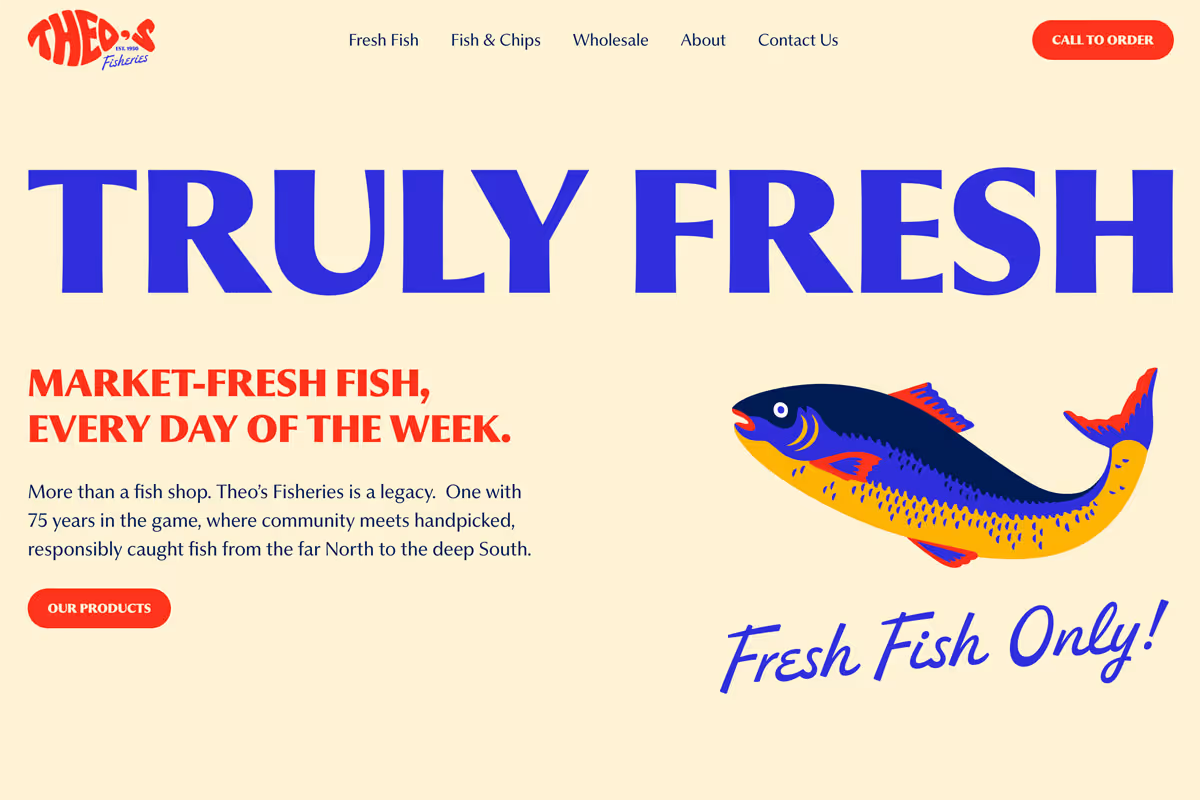
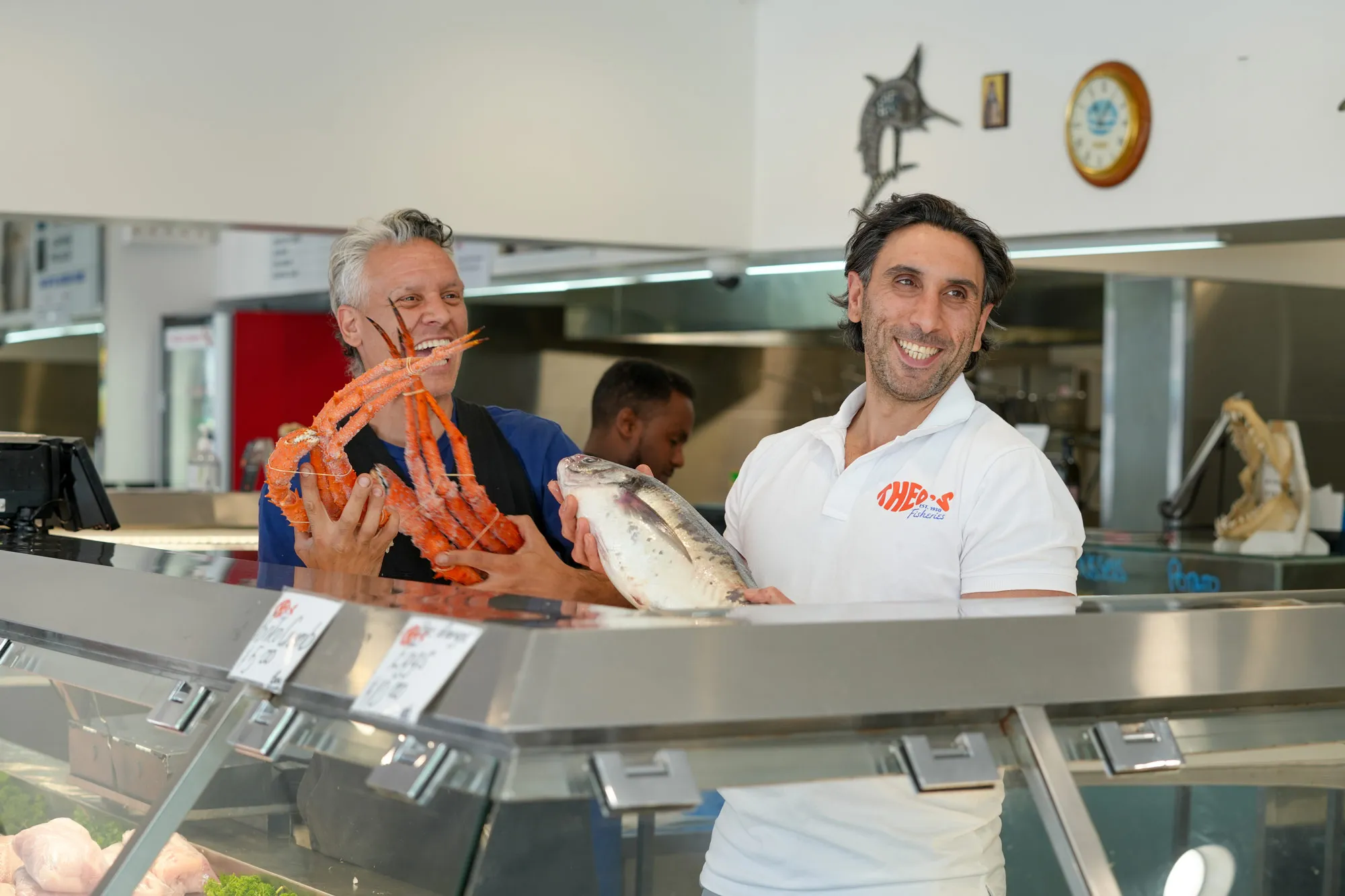
A two-phase Webflow rebuild and brand consolidation unifying Theo's Fisheries and Sea2Door into one cohesive ordering experience. Mobile-optimised delivery forms, advanced form logic with dynamic pricing, and a foundation built to support future online payments and automation - delivered in partnership with Coside Branding Studio.


Webflow + Shopify, for food and beverage brands
The Webflow + Shopify combination is one of the strongest setups available for F&B brands that sell direct to consumer. Webflow handles the brand experience - storytelling, product education, campaigns, content. Shopify handles the commerce layer - products, inventory, checkout, payments, and post-purchase. Done properly, customers never notice the two platforms are separate.
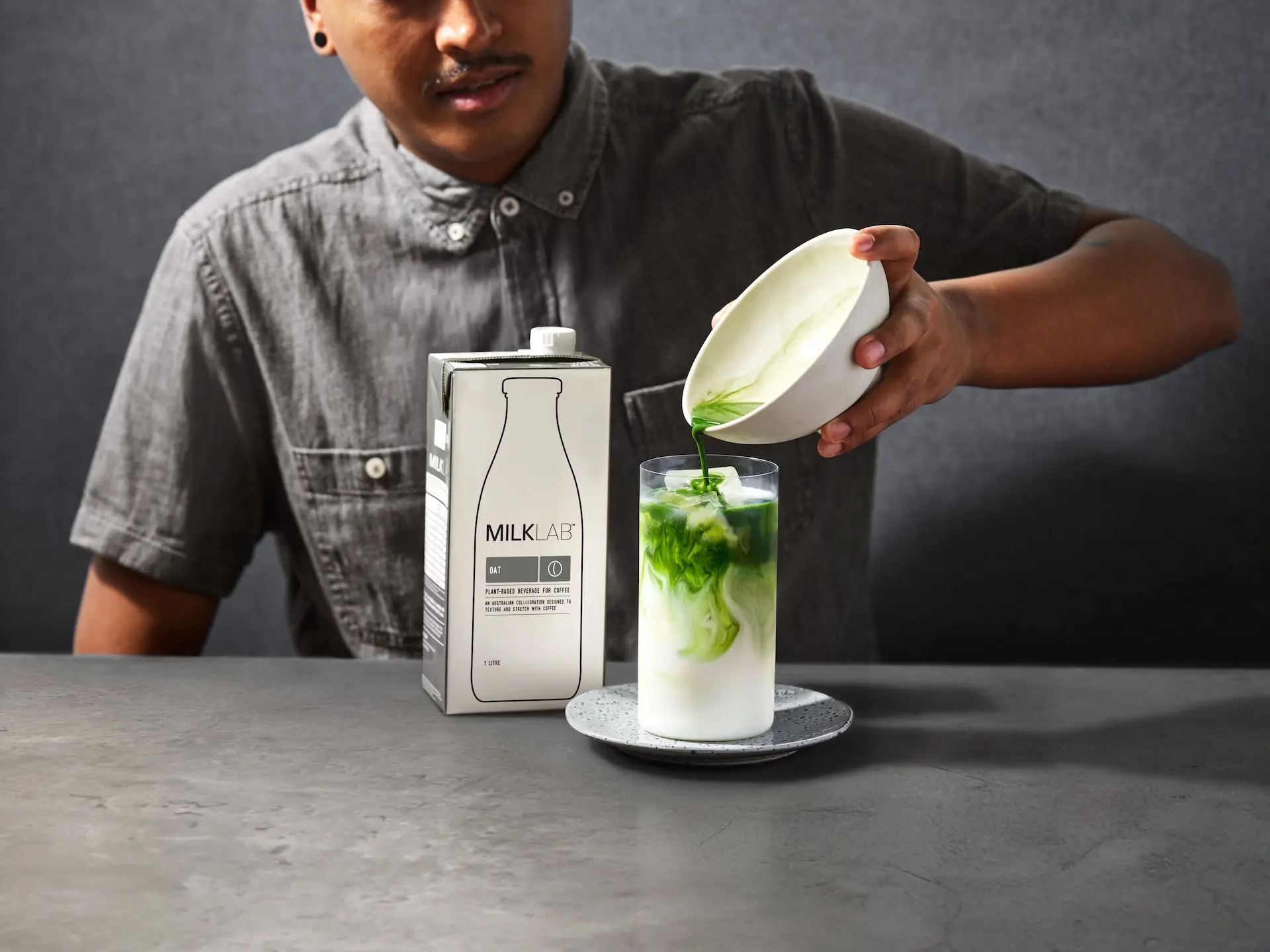
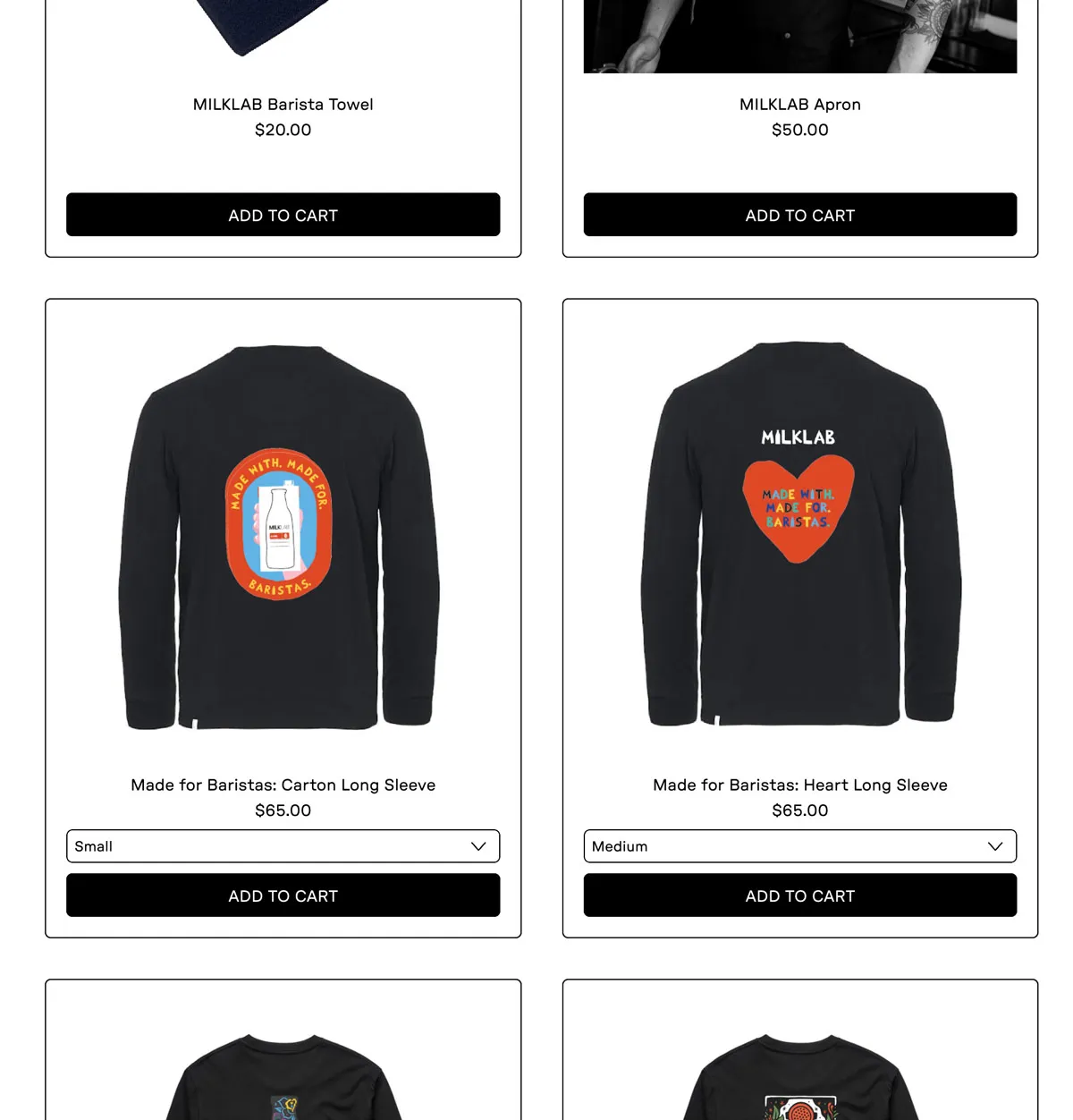
MILKLAB is our clearest example. A global plant-based beverage brand with distributor networks, supermarket presence, and campaign-driven marketing. Webflow acts as the primary brand and content platform, housing education and campaign infrastructure. Shopify supports a contained merchandise experience that feels native to the wider site. The result is a digital ecosystem that scales with the brand, not a website that needs rebuilding every time the business evolves.
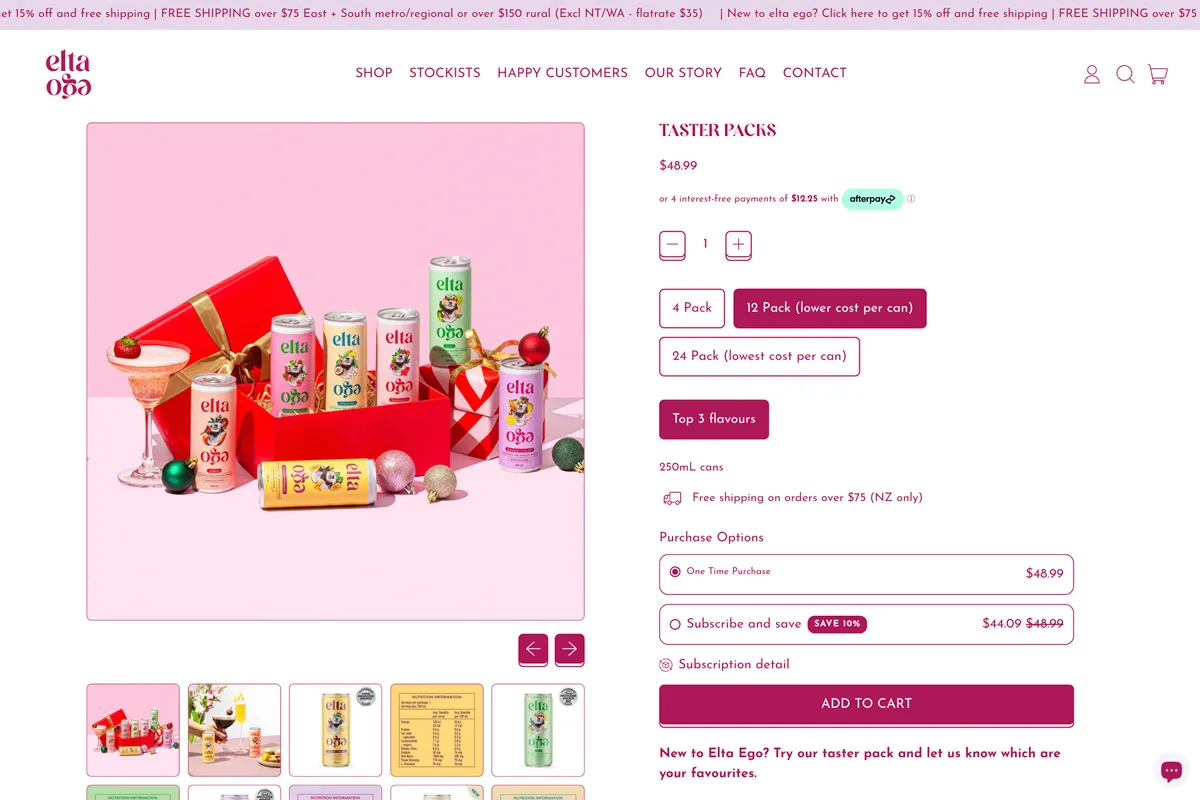
Not every F&B brand needs this combination. For brands where commerce is the core of the business and the brand story runs through the store itself, Shopify alone is often the right call — Elta Ego is a clear example, a Shopify-led build focused on brand personality, product storytelling, and commerce conversion. Twelve months after launch, website sales have grown ten-fold, the product range has expanded by five flavours, and the brand has won four industry awards.
The right setup depends on where the brand is and where it's heading. We scope the platform decision alongside the build, not as an afterthought.
How we work with food and beverage brands
Most clients come to us from WordPress or earlier Webflow builds that have aged
Whether the issue is platform limitation, design debt, or simply outgrowing what was built two or three years ago — a rebuild is usually a chance to fix the underlying structure so the site can carry the brand for another three to five years. More on migrating to Webflow.
Projects typically run eight to sixteen weeks
With most bespoke builds in this sector between AUD $25,000 and $50,000+. Webflow + Shopify integrations and multi-audience brand ecosystems sit at the higher end. We scope properly before any numbers are committed, and you work directly with us (Alec and Jamie) throughout. More on what affects website cost.
We stay involved after launch
F&B brands rarely stand still - new SKUs, seasonal campaigns, retail expansion, market launches. Most of our F&B clients move into an ongoing Website Evolution arrangement once the site is live, covering campaign rollouts, new product pages, content updates, and strategic input as the brand grows.
Common questions
Is Webflow a good platform for a food and beverage website?
Yes - particularly for brands that need to balance product storytelling, campaign agility, and commerce, or that sell across multiple audience types (wholesale, retail, consumer). Webflow's CMS handles the structural complexity templates struggle with, and the sites are genuinely manageable by internal marketing teams after launch.
Should an F&B brand use Webflow, Shopify, or both?
It depends on whether commerce is the core of the business. For brands where direct-to-consumer sales are central, we usually recommend Webflow + Shopify together - Webflow for the brand experience and content, Shopify for the commerce layer. For brands that sell primarily through retail, distributors, or hospitality, Webflow alone is often enough, with a focus on product education and campaign infrastructure. The right answer depends on the business model, not a platform preference.
How does Webflow + Shopify work for food and beverage brands?
Webflow handles the brand experience, storytelling, product content, and campaign pages. Shopify handles products, inventory, checkout, and post-purchase. The two are architected so they feel like one website to the customer — clean data flow, no plugin bloat, no visible handoff between platforms.
Can Webflow handle multiple audiences on one website?
Yes. F&B brands frequently need to serve distributors, cafés, retailers, and consumers simultaneously — often with different messaging and resources. Webflow's CMS lets us segment audiences structurally, with tiered content, audience-specific pages, and download centres for partners. MILKLAB's internal resource hub is a concrete example.
Can Webflow support multi-market and international F&B brands?
Yes. Webflow's native localisation tool lets us build one site that adapts by market — supporting bilingual content, region-specific messaging, and localised campaigns without fragmenting into multiple microsites. MILKLAB's CAFÉLAB Korea expansion was built this way.
How long does a food and beverage website take to build?
Typically eight to sixteen weeks. The variables that move the timeline most are Shopify integration complexity, the number of audiences being served, whether campaign infrastructure is in scope, and content readiness. Multi-market builds sit at the higher end.
How much does an F&B website cost?
Most bespoke Webflow builds in this sector sit between AUD $25,000 and $50,000+, depending on scope. Webflow + Shopify integrations and multi-audience brand ecosystems sit at the higher end. DTC-focused Shopify builds with supporting Webflow brand experience sit in the middle. We scope properly before any numbers are committed — more on what affects website cost.
Do you work with international food and beverage brands?
Yes. We're based in Melbourne and Dunedin, and most of our F&B work is with AU and NZ brands - but we've also worked with international clients where the project is right. MILKLAB's digital ecosystem spans multiple markets including Korea. Webflow's localisation and our orchestration model make international work genuinely viable.
If this sounds aligned, let's talk.
Whether you're planning a new website, a Webflow + Shopify integration, or a rebuild of a site that's stopped keeping up with where the brand is heading - we'd love to hear what you're working towards.